Masterful poker psychology: gain a winning edge at the casino
Understanding Player Tells and Body Language
At the casino, particularly in poker games, reading your opponents is a fundamental skill that transcends raw mathematical ability. Observing subtle shifts in body language, facial expressions, and even breathing patterns can reveal crucial information about the strength of their hand. A nervous player might fidget, avoid eye contact, or exhibit a shaky demeanor when holding a weak hand, while a confident player might adopt a stoic, unreadable posture. Recognizing these “tells” requires patience and keen observation, allowing you to make more informed decisions about betting, folding, or raising. For those looking for a different kind of excitement, exploring options like DK88 Casino Maylasia can offer a unique experience, though it’s distinct from the strategic depth of poker.
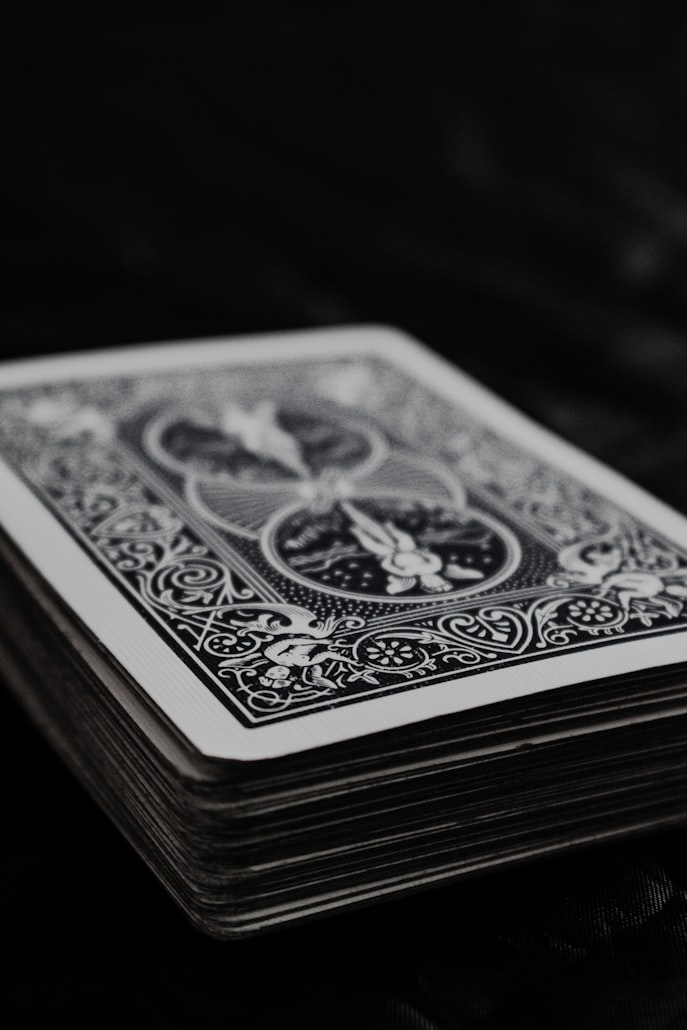
Developing an acute awareness of these non-verbal cues can significantly alter your game. For instance, a player who suddenly starts talking excessively might be attempting to distract you from the fact they have a strong hand, or conversely, they might be trying to bluff their way through. Learning to differentiate between genuine nerves and calculated deception is a key aspect of mastering poker psychology. This observational prowess is a cornerstone of success, especially when engaging in live casino poker events.
The Art of Bluffing and Deception
Bluffing is an integral part of poker strategy, allowing you to win pots even with less-than-ideal hands. Effective bluffing relies heavily on psychological manipulation. It’s not just about betting aggressively; it’s about convincing your opponents that you possess a hand stronger than you actually do. This involves projecting an image of confidence, regardless of your actual cards, and carefully controlling your own “tells” to avoid revealing your intentions.
A successful bluff often hinges on understanding your opponents’ tendencies and the general perception of your playing style. If you’ve been playing conservatively, a sudden aggressive bet might be more believable. Conversely, if you’re known for frequent bluffs, your opponents might be more inclined to call. The key is to time your bluffs strategically, often when you have position on your opponents or when the board texture suggests a strong hand is possible. The thrill of a well-executed bluff in a live casino setting is unmatched.
Managing Your Own Emotions and Tilt Control
Emotional control is paramount in poker. Experiencing a string of bad beats or making a costly mistake can lead to “tilt” – a state of frustration and emotional distress that impairs judgment. When tilted, players tend to make irrational decisions, chase losses, and become overly aggressive or passive. Recognizing the signs of tilt in yourself and developing strategies to combat it is crucial for long-term success at the casino poker tables.
Techniques for managing emotions include taking short breaks, practicing mindfulness, and setting strict limits on your playing sessions. Reminding yourself that poker involves variance and that short-term outcomes don’t always reflect skill can help maintain perspective. A calm and collected demeanor allows you to think clearly, analyze the game objectively, and avoid the costly errors that often accompany emotional play. This mental fortitude is as important as any strategic knowledge.
Exploiting Opponent Tendencies and Betting Patterns
Beyond general psychological tells, skilled players pay close attention to specific betting patterns and tendencies of their opponents. Do they always bet big with strong hands and small with weak ones? Do they frequently limp into pots? Are they aggressive post-flop? Identifying these habits allows you to exploit them. For example, if an opponent consistently bets large when they have a monster hand, you can often fold when they make a significant bet, saving yourself chips.
Conversely, if an opponent plays passively and rarely bets out of turn, you might be able to steal blinds more effectively or bluff them off weaker hands more easily. This level of opponent analysis requires careful observation over multiple hands and sessions. It’s about building a mental profile of each player you face, enabling you to tailor your strategy to maximize your advantage against their specific weaknesses. This detailed profiling is a hallmark of successful casino poker players.
Funk Up the Farm: Experiencing Live Event Psychology
While the psychology of poker in a traditional casino setting is well-documented, the unique environment of live events like those hosted by Funk Up the Farm introduces its own psychological dynamics. The excitement of a festival atmosphere, the presence of live music, and the more relaxed, social vibe can influence player behavior. Players might be more inclined to take risks, less focused on meticulous calculation, and more prone to emotional plays due to the heightened sensory input and social interactions.
Understanding this shift in psychology is key to navigating poker games at Funk Up the Farm. Opponents might be more susceptible to bluffs due to the festive energy, or they might be more generous with their chips, leading to looser play. The challenge at these events is to maintain your strategic focus amidst the fun and communal spirit, while also recognizing how the environment might be affecting your opponents. Adapting your psychological approach to suit the unique setting of Funk Up the Farm events can provide a distinct edge.